When Should You Change Your Car in Quebec? A Complete Guide

When should you replace your car? This is an important question that often gets brushed aside in favour of the comfort of a familiar vehicle, even when it starts to show its age.
To help you decide, here are our tips and signs that the time has come to change your car.
Key takeaways
- Frequent or costly repairs are often a sign that it is time to replace your car.
- Modern safety technologies can justify moving to a newer vehicle.
- When repair bills represent a large share of the vehicle's value, replacement often becomes more cost-effective.
- Changes in your personal situation (family, work, mileage) are often the right time to change vehicles.
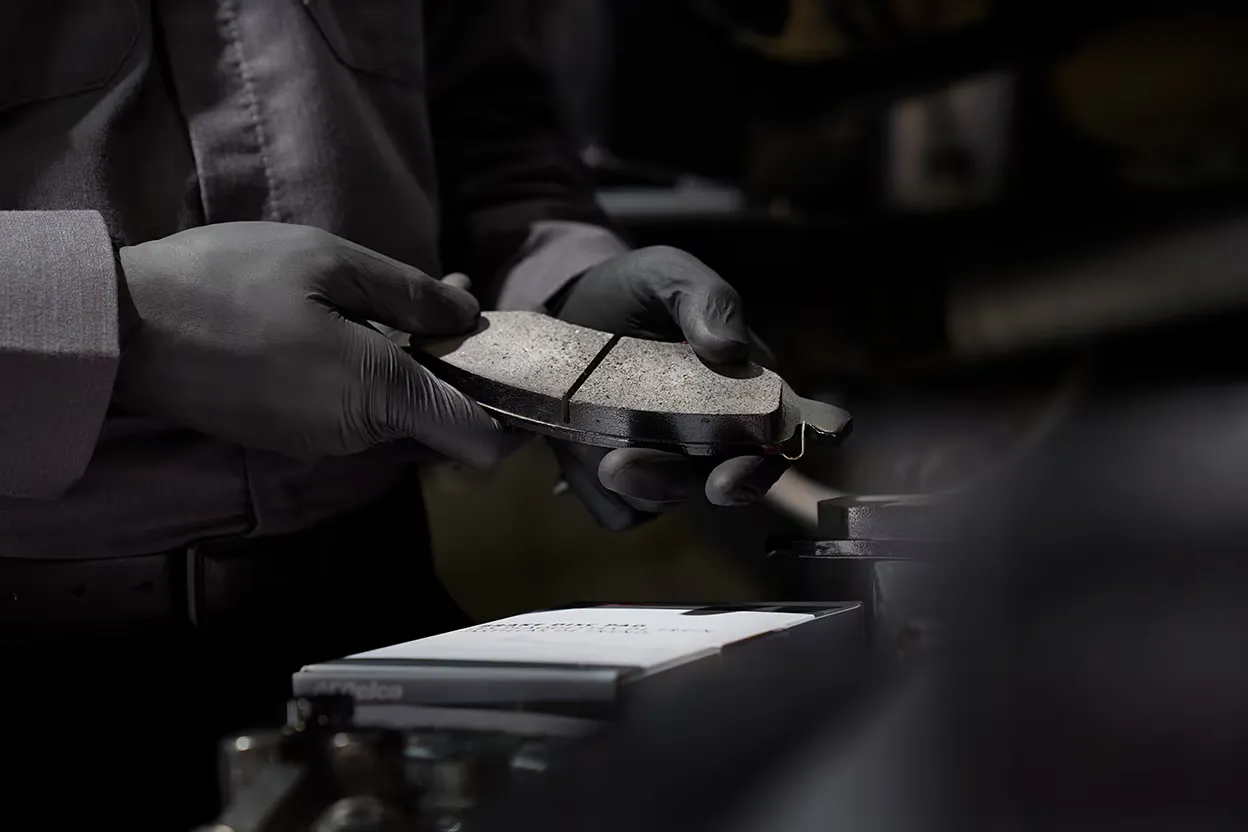
Mechanical signs it may be time for a change
Although there is no strict maximum mileage for a car, your vehicle will begin to show signs that it is reaching the end of its life.
If your vehicle needs frequent repairs or begins to show issues with essential components, such as the transmission or engine, it may be time for a replacement.
Over the long term, keeping a high-mileage car with advanced general wear can be a losing battle.
These increasingly frequent repairs can quickly cost more than replacing the car, especially as market value continues to drop. Your vehicle then becomes less attractive for trade-in. At that point, it can be worthwhile to compare options and browse used vehicles for sale.
Safety: is your car outdated?
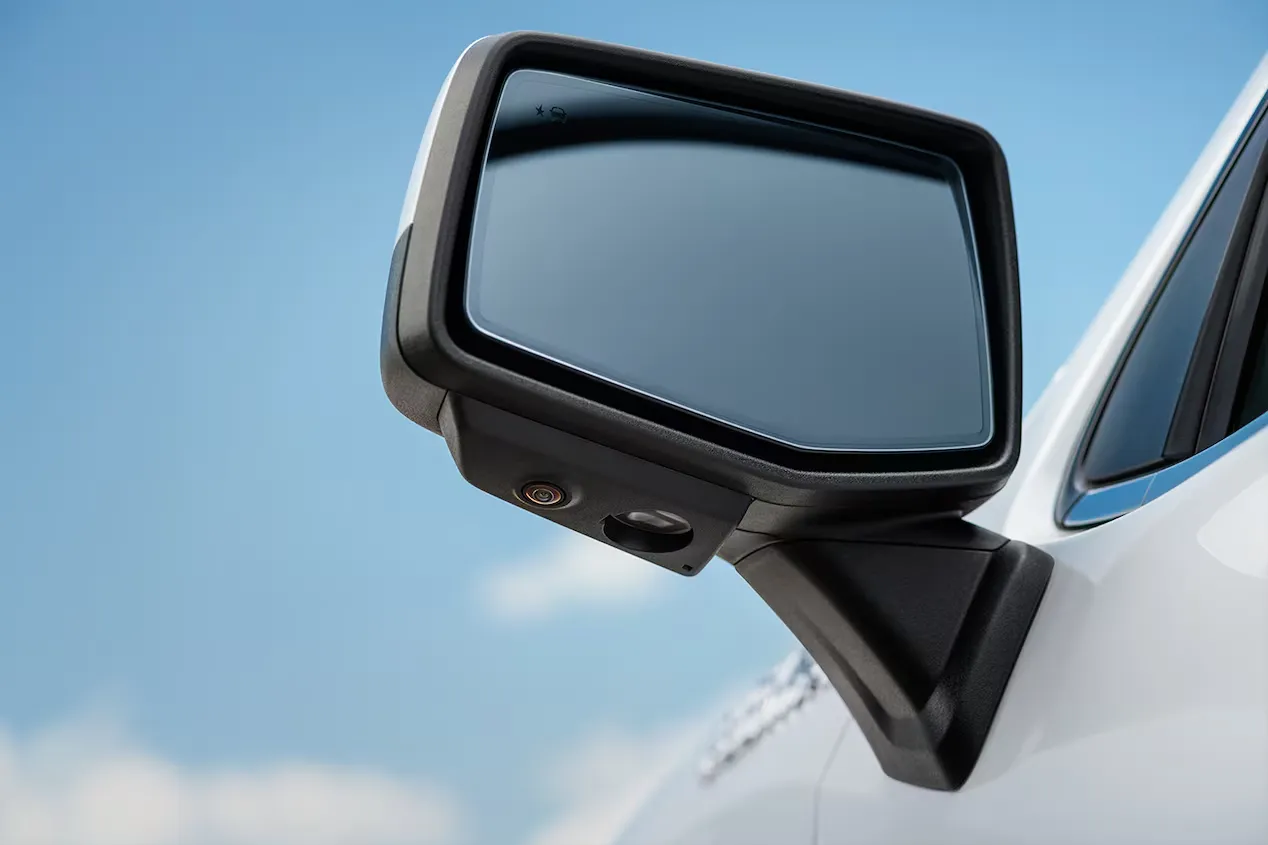
When should you change a car that is too old? Today, most vehicles, even the most affordable ones, offer driver assistance technologies such as adaptive cruise control or blind spot monitoring.
Brake and airbag technologies have also evolved a lot, including, for example, curtain airbags.
Safety should never be overlooked. If your car features several outdated safety systems, it may be time to make a change.
Financial test: repair or replace?
There is a simple test to help you decide between repairing or changing your car from a financial point of view.
Take an older car with a market value of $5,000. If, for example, a major repair such as an engine issue costs $2,500, that repair equals 50% of the vehicle's total value.
At that point, the repair cost versus the car's value is simply not worth the investment.
In the same vein, if your annual maintenance and repair costs reach the price of a monthly payment on a new vehicle, it may be time to ask yourself: "Is a car worth repairing?" The answer is usually no.
| Situation | Keep the vehicle | Replace the vehicle |
|---|---|---|
| Occasional repairs | ✔ | — |
| Repeated major repairs | — | ✔ |
| Very low resale value | — | ✔ |
| Stable maintenance costs | ✔ | — |
The confidence and peace of mind factor
A new vehicle is simply more reliable. Buying a new vehicle brings peace of mind, helps you stop worrying about breakdowns, and can make long trips less stressful.
Quebec context: factors not to overlook
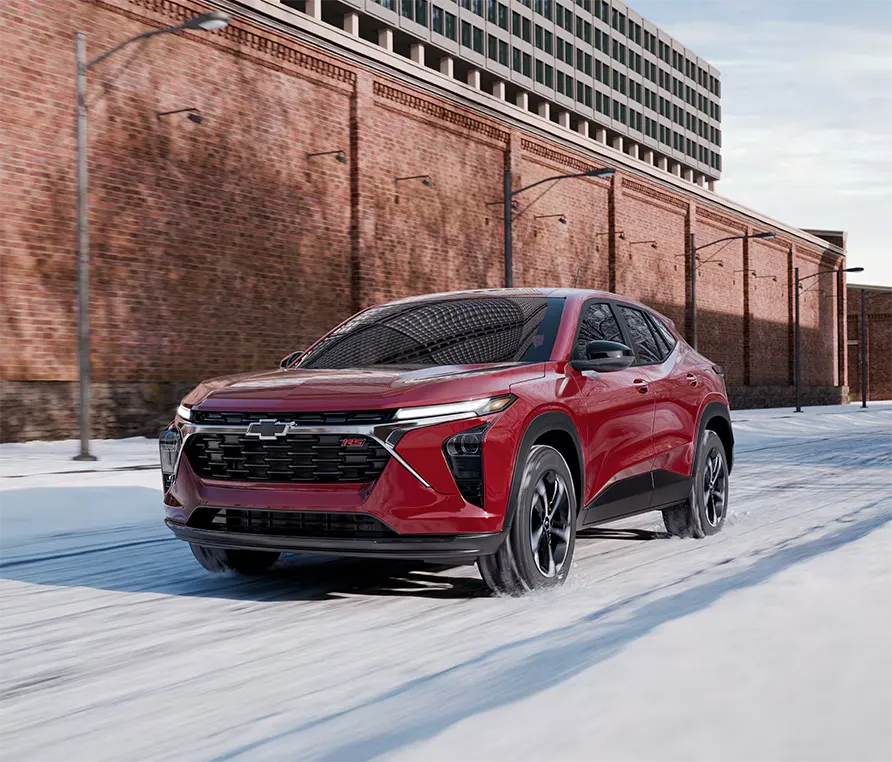
Quebec winters are known for tough conditions. Road salt causes corrosion, roads can be rough, and you often need a reliable all-wheel drive system in good condition for your car to perform well.
An aging car may be fine in summer, but each winter brings greater risks of breakdowns.
Special cases: when changing becomes strategic

Switching to electric
A move to new electric vehicles is an excellent reason to change vehicles. In 2026, it is still possible to benefit from the Roulez vert program and receive a $2,000 financial incentive for the purchase of an electric vehicle. You may also be eligible for a federal rebate of up to $5,000 on a new electric vehicle. Ask your trusted dealer, Repentigny Chevrolet.
Finally, over the long term, fuel savings make this purchase easier to justify within your budget.
Family situation changes
When your family grows, your old sedan may simply no longer be sufficient.
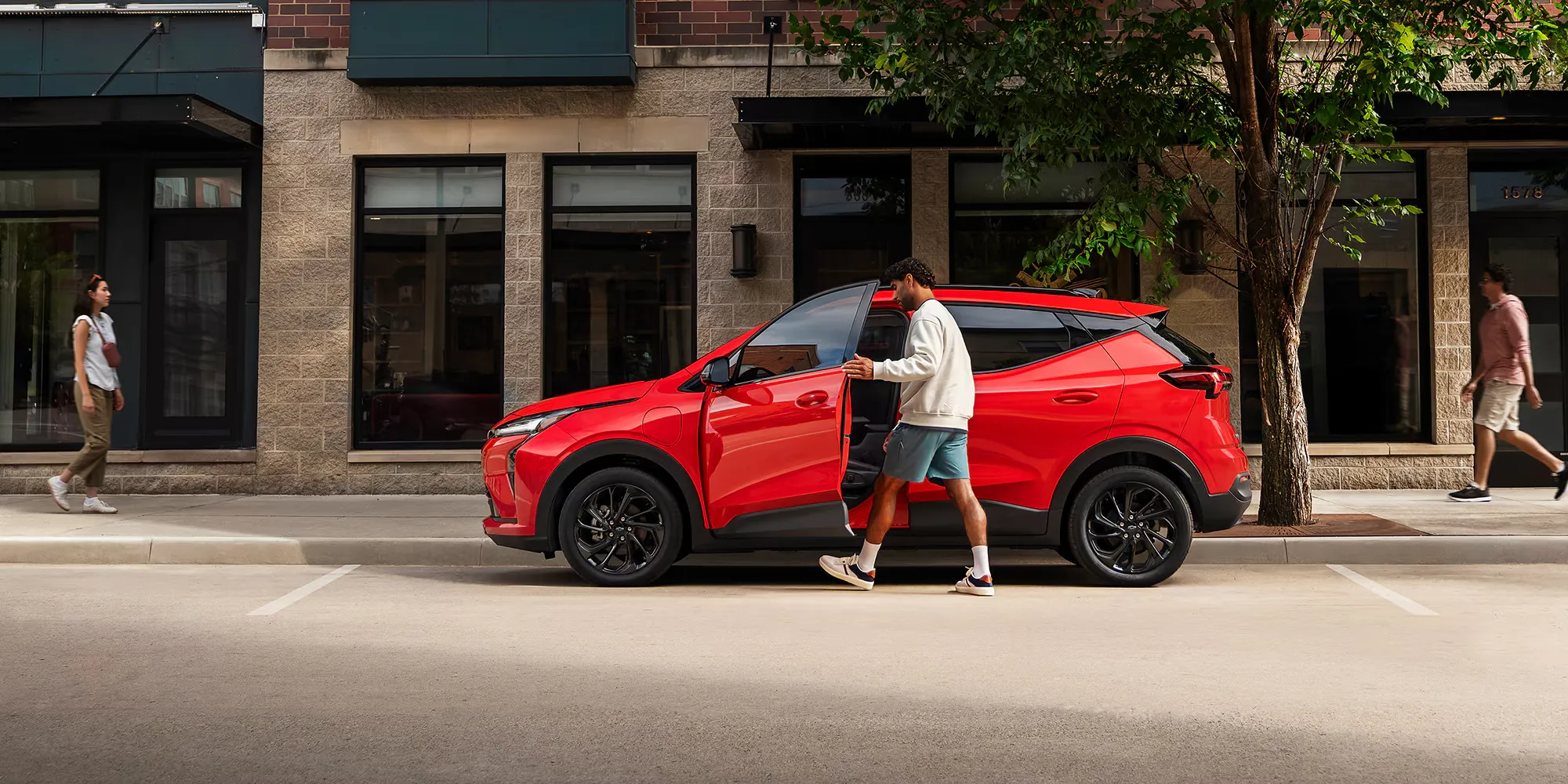
The start of a new chapter is usually the best time to change cars, and buying a new compact SUV is often very affordable, while also being a practical necessity to simplify your daily life.
Increase in annual mileage
If your routine changes, for example, due to a new job, and you will have to drive more often or further, it is important to have a vehicle that is dependable and durable.
An initial investment can help you tackle your new job with confidence.

The decision depends on balancing costs, safety, and peace of mind
In short, if your car seems to be in good condition and maintenance costs are stable, there may be no reason to change it right away.
On the other hand, if you feel that safety technologies are too outdated or repair bills are starting to pile up, it is likely time to take the leap to a new vehicle.
Finally, as mentioned, if your family or work situation changes, it is important to reassess how suitable your current vehicle is and act accordingly.
Here is a simple checklist to follow:
- Major repairs needed?
- More than 8 to 10 years old?
- Safety technologies very outdated?
- Frequent stress about potential breakdowns?
- Annual maintenance costs rising steadily?
If any of these criteria apply to your situation, you should strongly consider changing vehicles.
To have your current car appraised and start reviewing your options, trust the experts at Repentigny Chevrolet, your Chevrolet dealer in Charlemagne, near Montreal and Lachenaie.
FAQ
After how many years should you change your car?
There is no fixed rule, but many drivers consider changing their vehicle after 8 to 10 years, when wear and maintenance costs start to rise.
When are repairs no longer worth it?
A common rule is to avoid major repairs if costs exceed 40 to 50% of the vehicle's overall value.
Is it cost-effective to keep a car for a very long time?
Yes, if maintenance costs remain reasonable. However, at a certain point, frequent repairs and reduced reliability can make replacement more advantageous.
Are newer cars really safer?
Yes. Modern vehicles often include advanced driver assistance technologies, such as automatic emergency braking or blind spot monitoring.
Can switching to an electric vehicle reduce costs?
Yes. Electric vehicles often help you save on fuel and maintenance, especially for drivers who cover a lot of kilometres each year.
Sources: